Landscapes That Feel Otherworldly
Tasmania’s landscapes are astonishingly diverse for such a compact island. Within a few hours’ drive, you can move from alpine peaks to white‑sand beaches to moss‑draped rainforest.
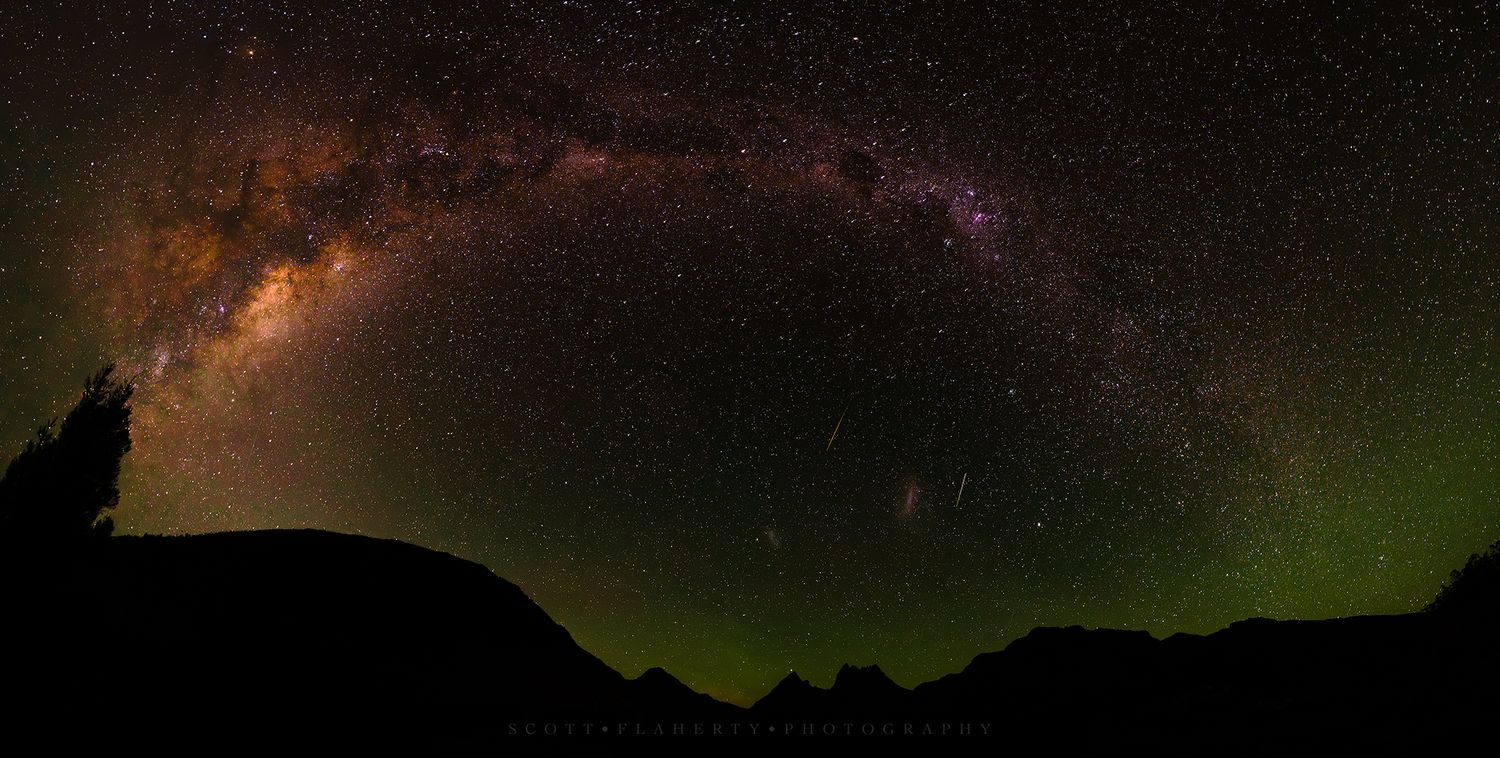
Cradle Mountain
Lake St Clair National Park
Cradle Mountain is one of Tasmania’s most versatile landscape locations, offering opportunities for wide‑angle vistas, mid‑range environmental compositions, and detail‑focused studies of alpine vegetation. The mountain’s shape gives you a strong anchor point for compositions, and Dove Lake provides a natural foreground element that works well for reflections, leading lines, and layered depth.
Weather shifts quickly here, which is an advantage for photographers. Low cloud, passing showers, and breaks of sunlight create constantly changing contrast and atmosphere. Plan to shoot the same scene multiple times as conditions evolve. The clear paths around Dove Lake offers stable shooting positions and predictable sight-lines, making it easier to plan sunrise and sunset angles. Polarizers are especially effective for controlling glare on the water and enhancing clarity in the vegetation.
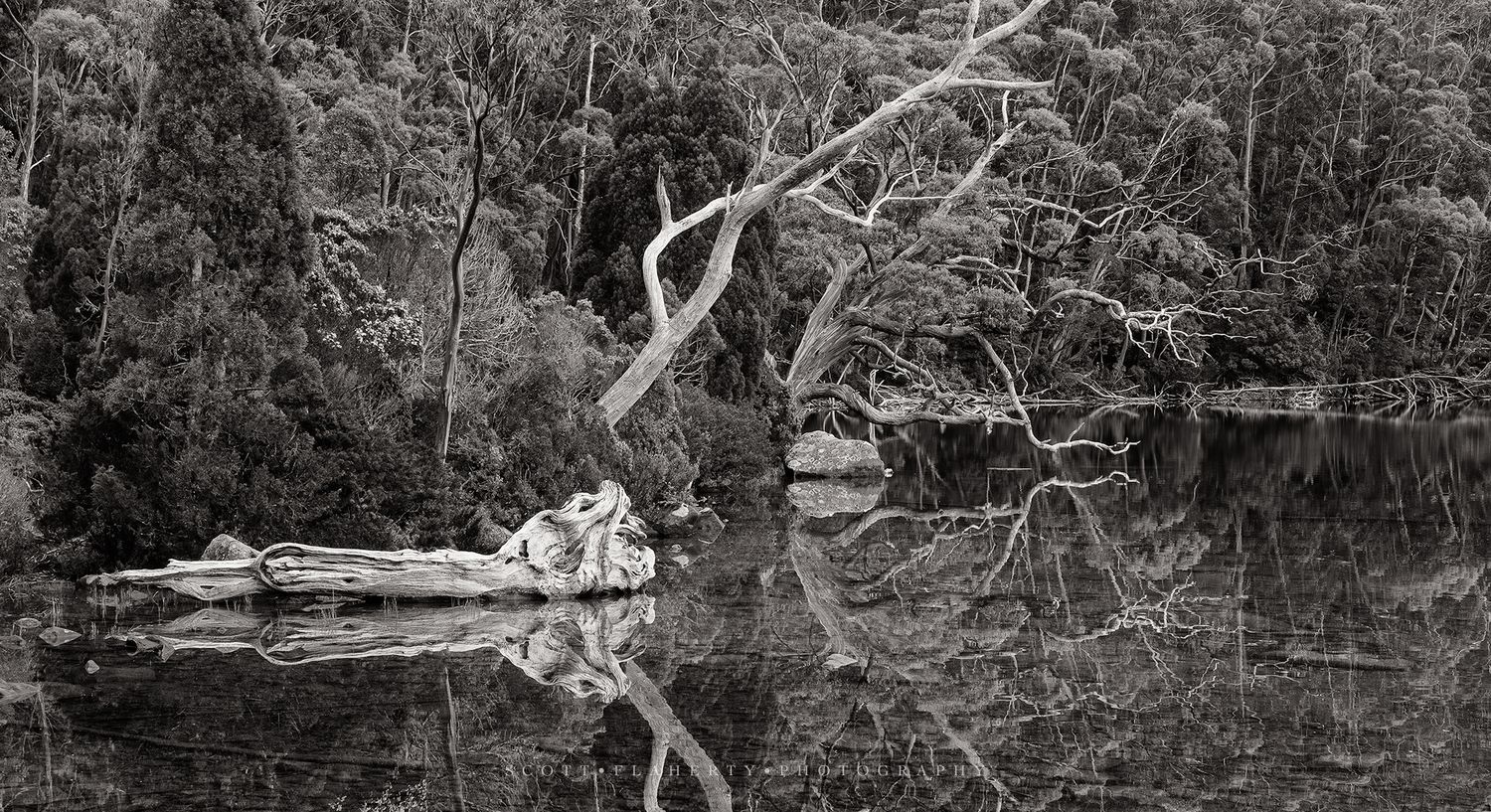
Lake Dobson
Mt Field National Park
Lake Dobson is an excellent location for photographers who prefer controlled, predictable compositions and quieter shooting environments. The lake’s still surface often produces clean reflections, making it ideal for symmetry‑based framing and minimalist landscape work. Because the surrounding pencil pines and alpine vegetation create strong vertical and horizontal lines, it’s a good place to practice balancing foreground structure with mid‑ground detail.
Light at Lake Dobson tends to be soft due to the elevation and tree cover, which helps reduce harsh contrast. This makes it a reliable mid‑day shooting location when other areas may be too bright. In winter, frost and snow introduce additional texture, giving you opportunities for close‑up detail shots and tighter compositions. The trails around the lake provide stable shooting positions and allow you to work with consistent angles. A polarizer is useful for managing glare on the water and enhancing clarity in the vegetation, and a tripod helps with slower shutter speeds when working in low‑light alpine conditions.
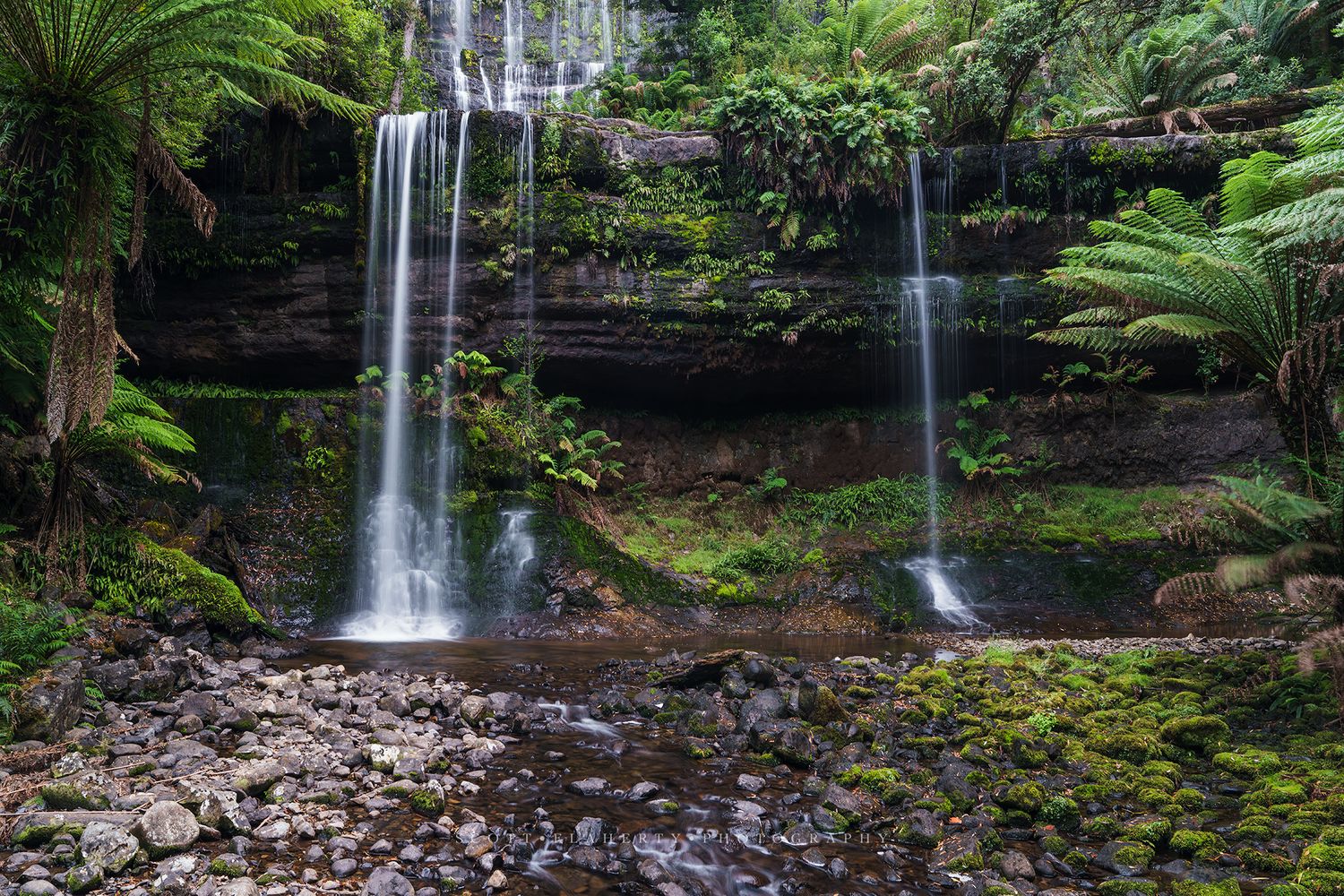
Hidden Gems
Tasmania’s lesser‑known locations are excellent for photographers who prefer working without crowds and want more control over their compositions. Small waterfalls, forest clearings, and alpine tarns allow you to practice techniques that are harder to execute in busy, iconic locations. These areas are ideal for long‑exposure water work, macro studies of moss and lichen, and tight compositions that rely on texture rather than grand scenery.
Because these spots often sit under dense canopy or in narrow valleys, light tends to be softer and more diffused. This makes them perfect for mid‑day shooting when harsher light would normally limit your options. A tripod is essential for slower shutter speeds, and a circular polarizer helps manage reflections on wet foliage and rocks. These quieter locations reward photographers who take time to scout angles, study how light falls through the trees, and build compositions with deliberate structure.
Wildlife Photography: Meeting Tasmania’s Icons
Tasmania is a sanctuary for wildlife photographers. The island’s isolation has preserved species that are rare, or extinct elsewhere.
What You Can Expect to Encounter
Tasmania is home to:
- Kangaroos, Wallabies and Pademelons
- Wombats
- Platypus
- Echidnas
- Quolls
- Bats, reptiles, and frogs
- And of course, the endangered Tasmanian devil
The diversity is remarkable, and many species are surprisingly approachable if you move slowly and respectfully.
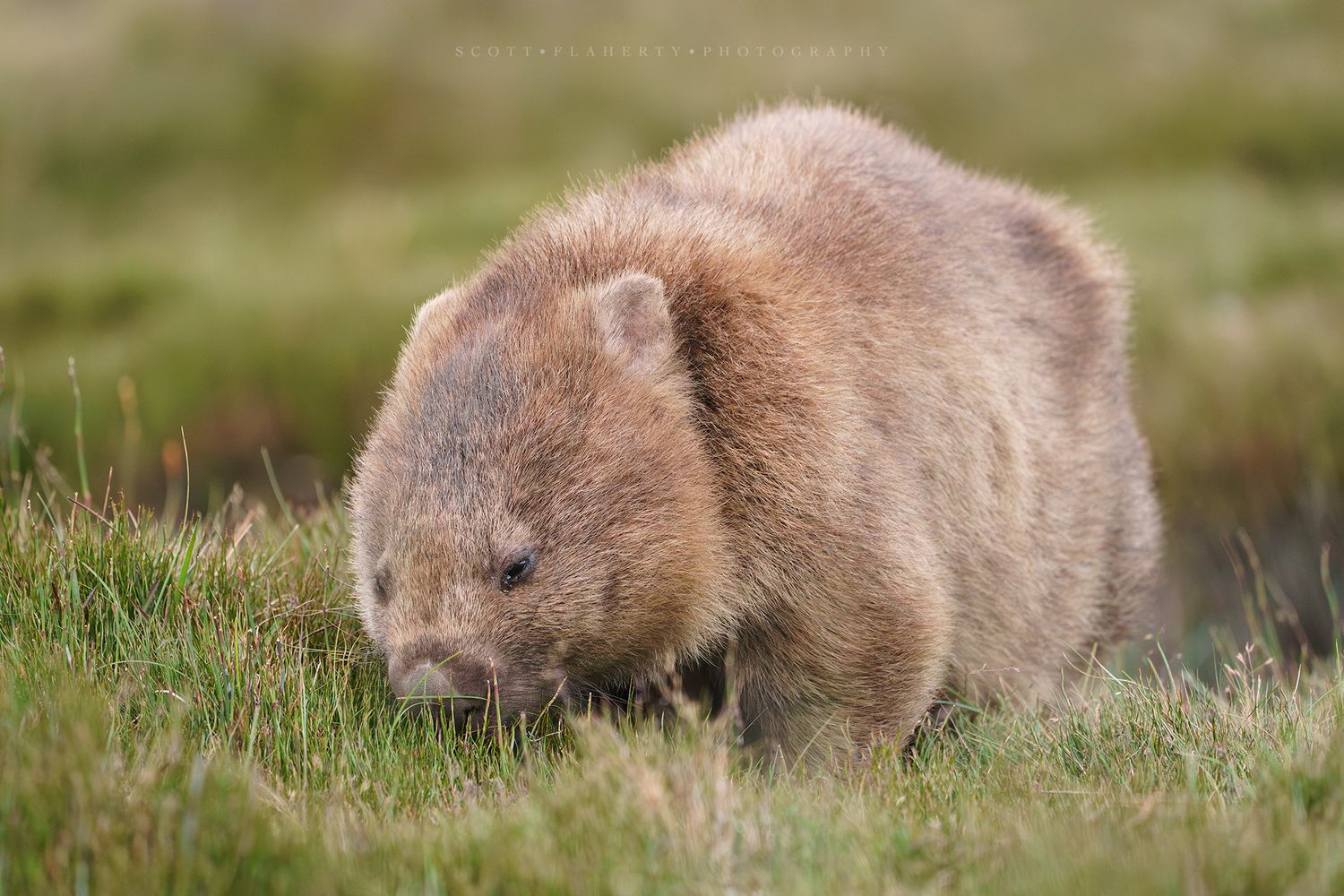
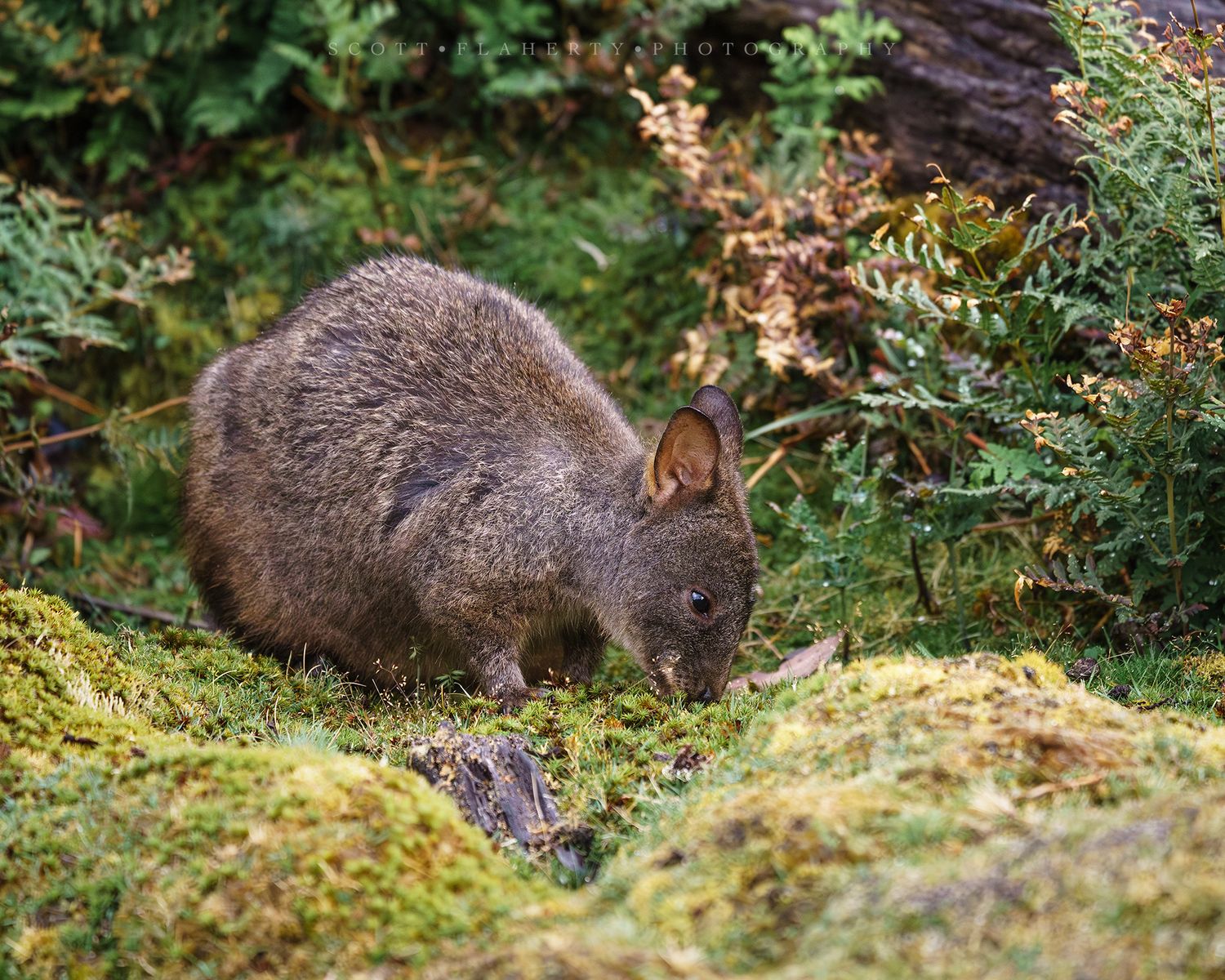
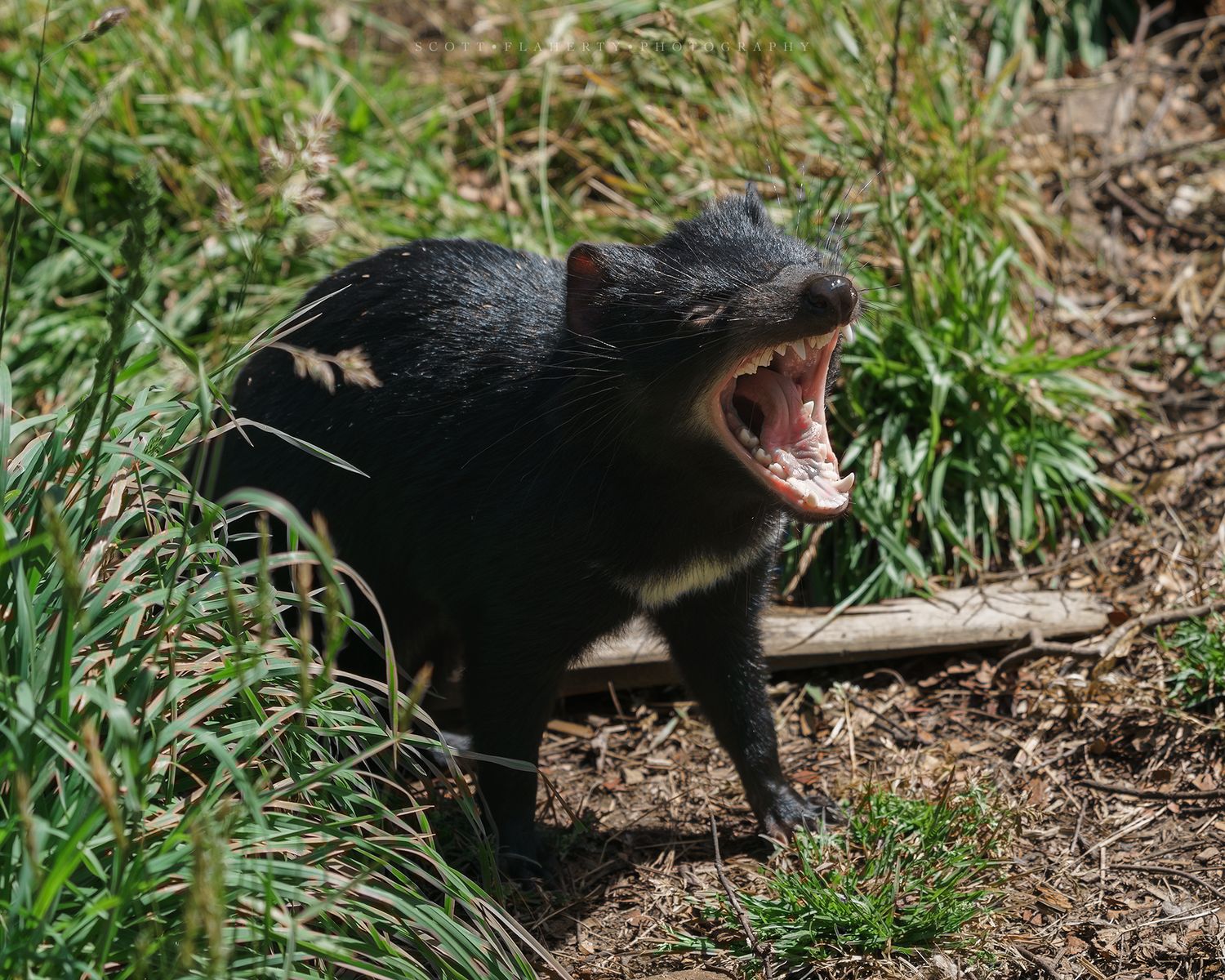
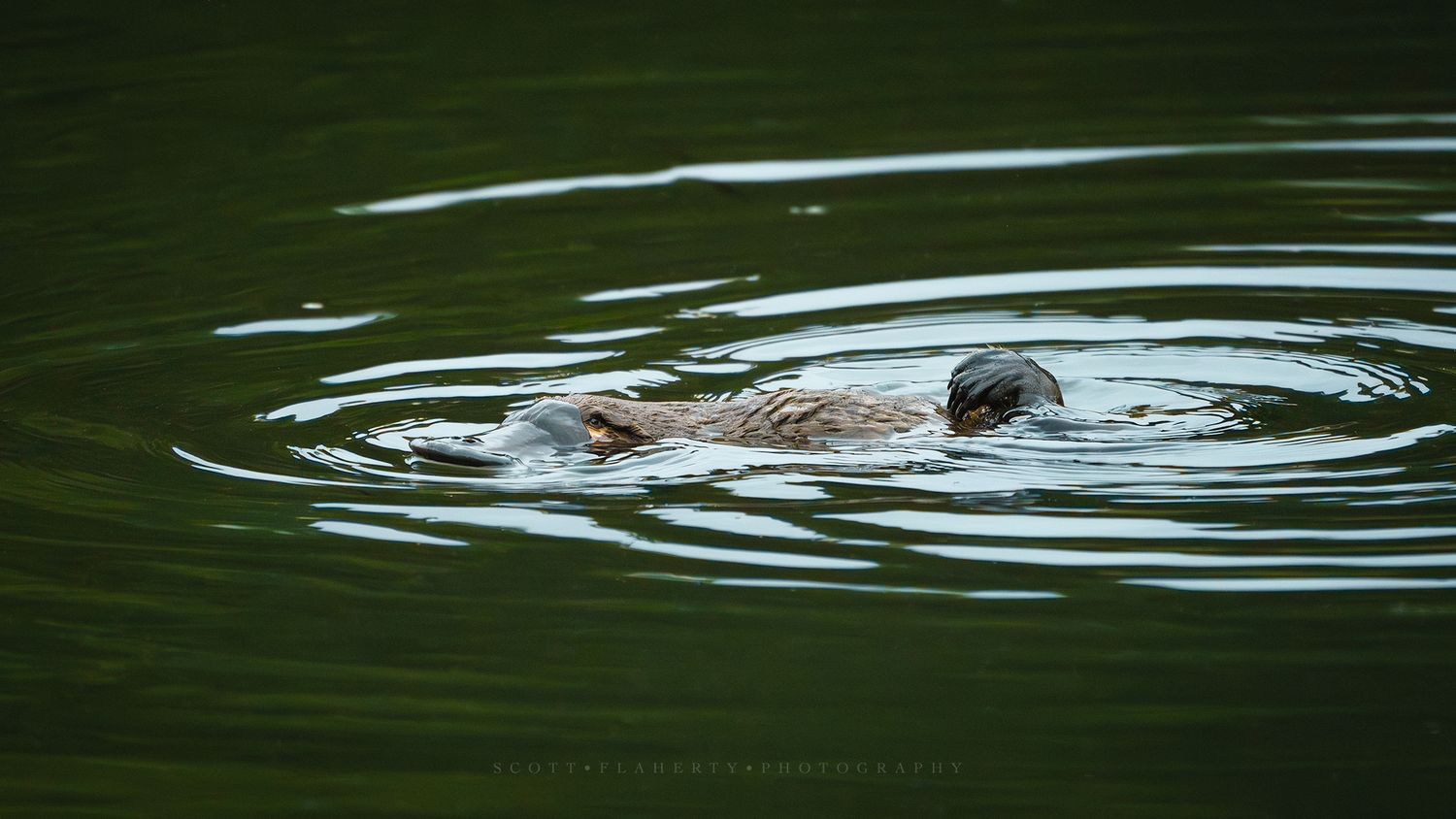
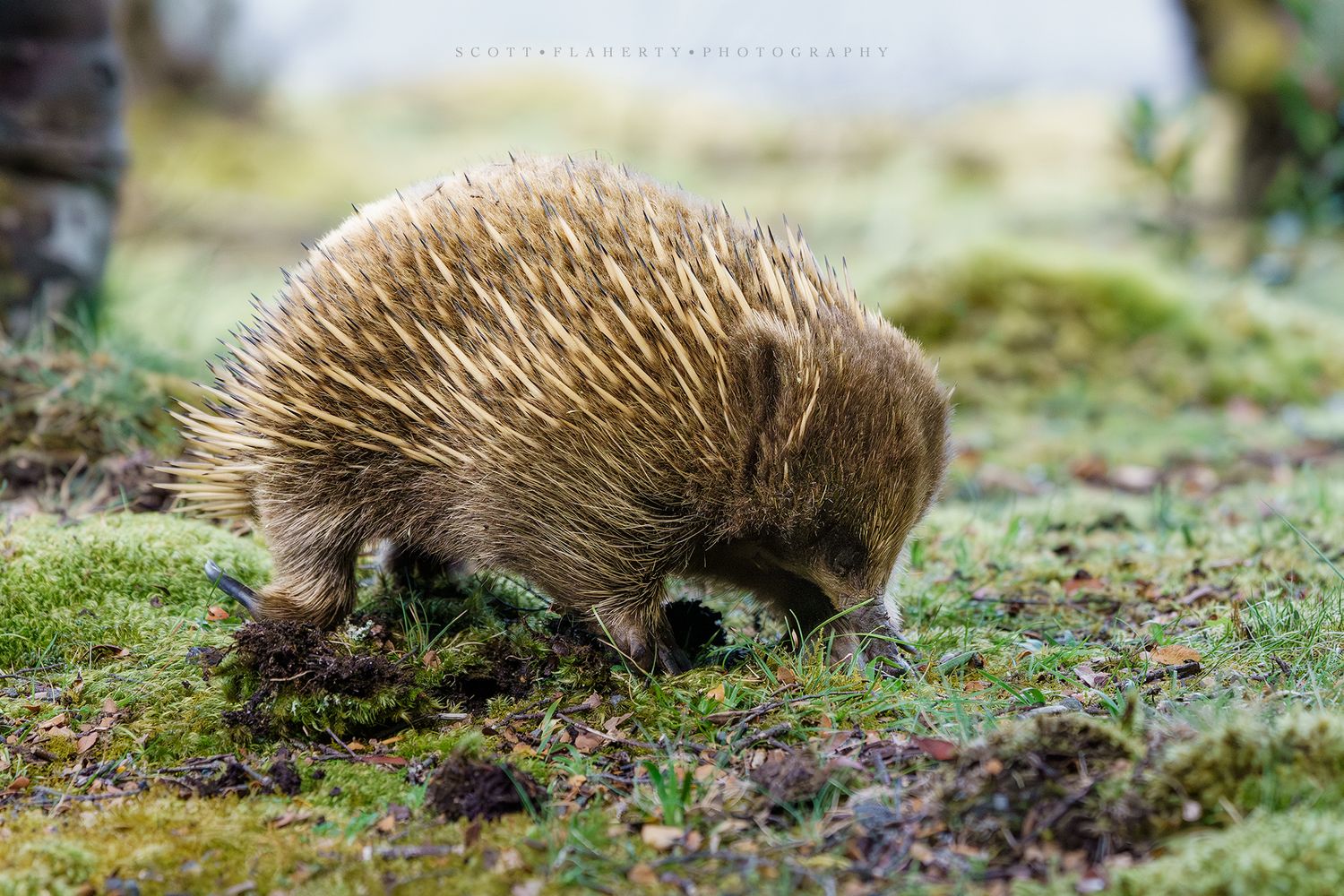
Wombat
Paddymelon
Echidna
Tasmanian Devil
Platypus
Tips for Photographing Tasmania Like a Pro
1. Embrace the Weather
Tasmania’s weather changes quickly. Clouds, fog, and shifting light create drama . . . don’t hide from it. Some of the best images come from “bad” weather days.
2. Travel Early and Stay Late
Golden hour is magical across the island. Dawn often brings stillness, wildlife activity, and soft light that makes the landscape glow.
3. Move Quietly for Wildlife
Many Tasmanian animals are sensitive to vibration and sound. Slow steps, low profiles, and patience are key.
4. Explore Beyond the Icons
While Cradle Mountain is a must‑shoot location, Tasmania’s charm often lies in the lesser known corners, small lagoons, forest trails, and quiet beaches.
5. Respect the Environment
Tasmania’s ecosystems are fragile. Stay on marked paths, keep distance from wildlife, and follow local conservation guidelines.
Why Tasmania Captivates Photographers
Tasmania offers a combination of practical advantages that directly benefit photographers. The island’s compact size allows you to cover multiple environments in a single day, reducing downtime and increasing shooting efficiency. This makes it easier to adapt to weather changes or shift locations when conditions improve elsewhere.
Light quality is another major strength. Tasmania’s latitude and frequent cloud cover produce softer, more diffused light than mainland Australia, giving you more workable hours and reducing harsh contrast. Forested and alpine areas remain shootable even during mid‑day, which is rarely the case in other regions.
For wildlife photographers, species density and daylight activity create reliable opportunities for controlled shooting. Cooler temperatures reduce atmospheric distortion, improving long‑lens sharpness. Many locations also offer repeatable compositions that can be revisited across seasons, making Tasmania ideal for building cohesive projects or refining technique over multiple trips.
Overall, Tasmania provides a rare mix of accessibility, consistency, and photographic variety—making it one of the most efficient and rewarding places to develop or expand your portfolio.
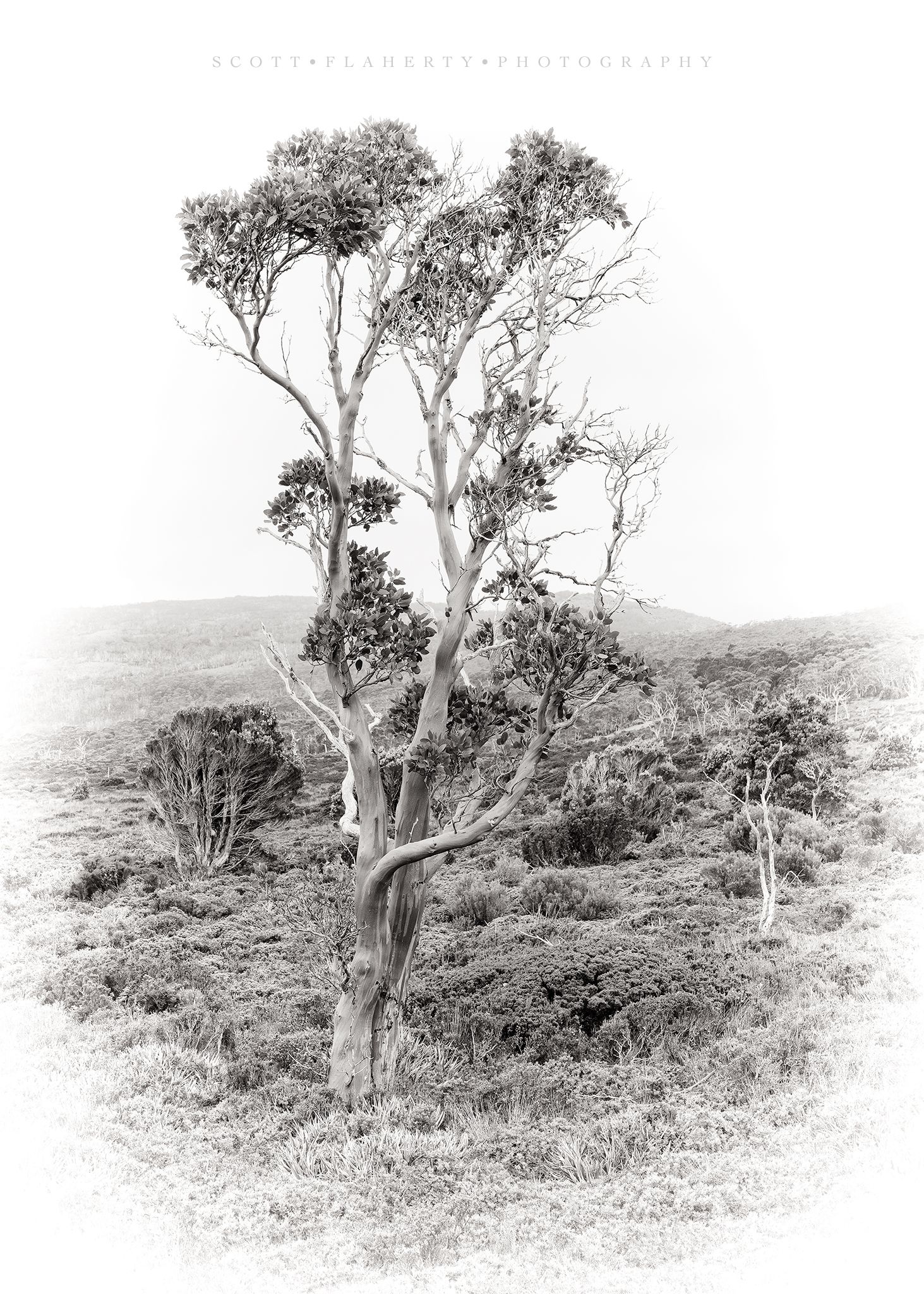
Mt Fields National Park
Birdlife for the Dedicated Photographer
Bird photographers flock to Tasmania for species like:
- Orange‑bellied Parrot
- Swift Parrot
- Forty‑spotted Pardalote
- Shy Albatross
These birds are rare, fast, and challenging. Perfect subjects for those who love the thrill of the chase.
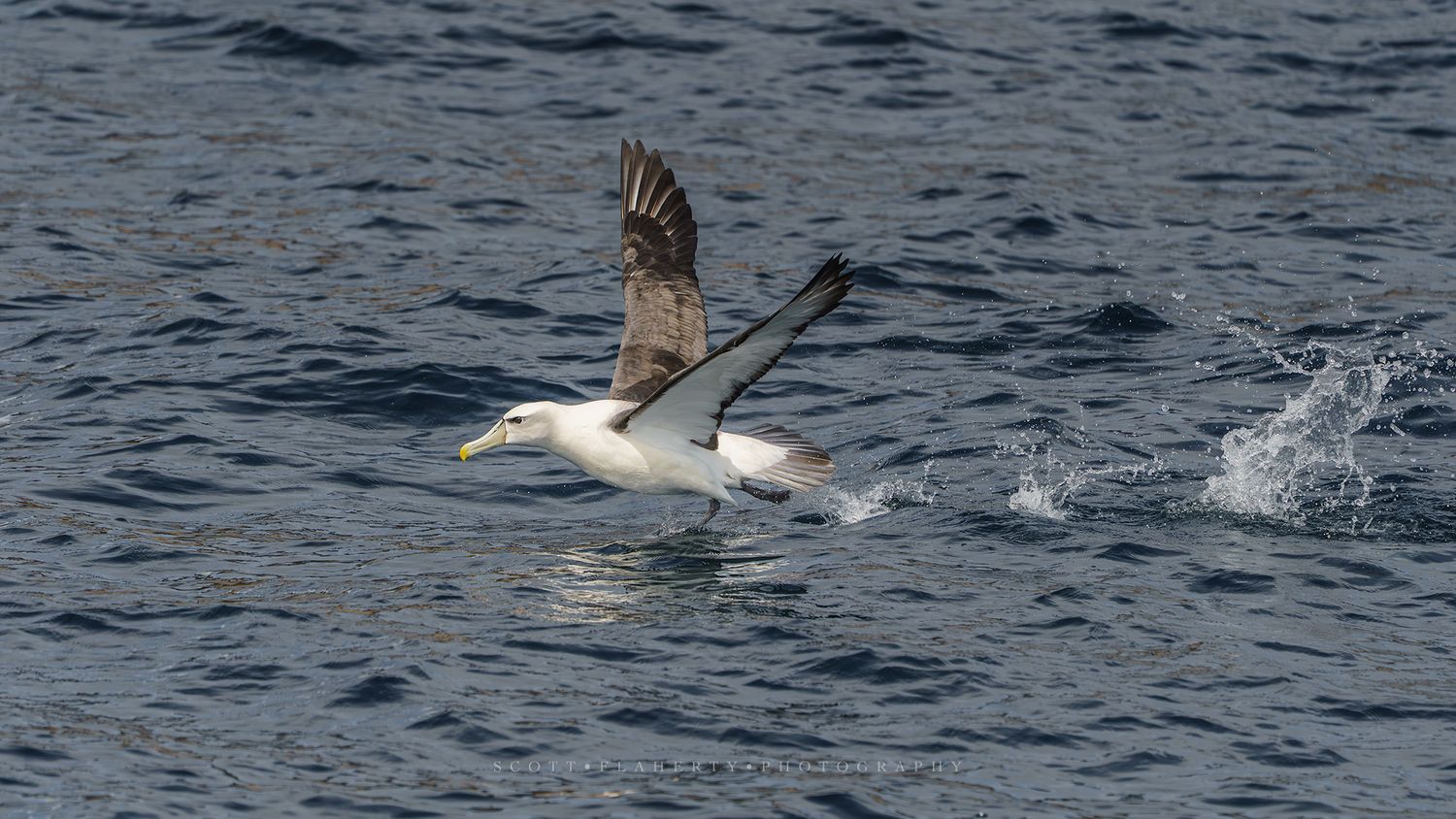
Shy Albatross